
A Peaceable Place
Too Good for Violence
The readiness and ability to socialize, connect, and cooperate with others is essential for positive peer bonding, healthy relationship building, and advocacy for one’s needs. TGFV-A Peaceable Place helps schools strengthen school climate through proactive prevention strategies that build communication, emotional regulation, conflict resolution, and positive relationship skills across the school community.
The self-efficacy and interpersonal skills framework in the course builds these primary skill constructs to promote Self-Awareness and Social Awareness within the student:
- Setting Reachable Goals
- Making Responsible Decisions
- Identifying and Managing Emotions
- Effective Communication
- Pro-social Peer Bonding
Skills are developed, practiced, and refined throughout the course as the students consider how their decisions affect others and strengthen their ability to identify and respond appropriately to the emotions of others as they work together in paired and group activities designed to foster participation, listening, and engagement.
The complete A Peaceable Place skills set brings insight, understanding, and social awareness to the forefront of every social encounter to guide appropriate behavior in social situations, promote stronger relationships and meaningful connections, resolve problems, deescalate conflict, and manage bullying situations.
A Peaceable Place provide evidence-informed Tier 1 prevention supports that strengthen school climate, student self-regulation, conflict resolution, emotional safety, and pro-social behavior while supporting district implementation goals tied to MTSS, PBIS, SEL, ESSA, attendance, and behavioral accountability metrics.
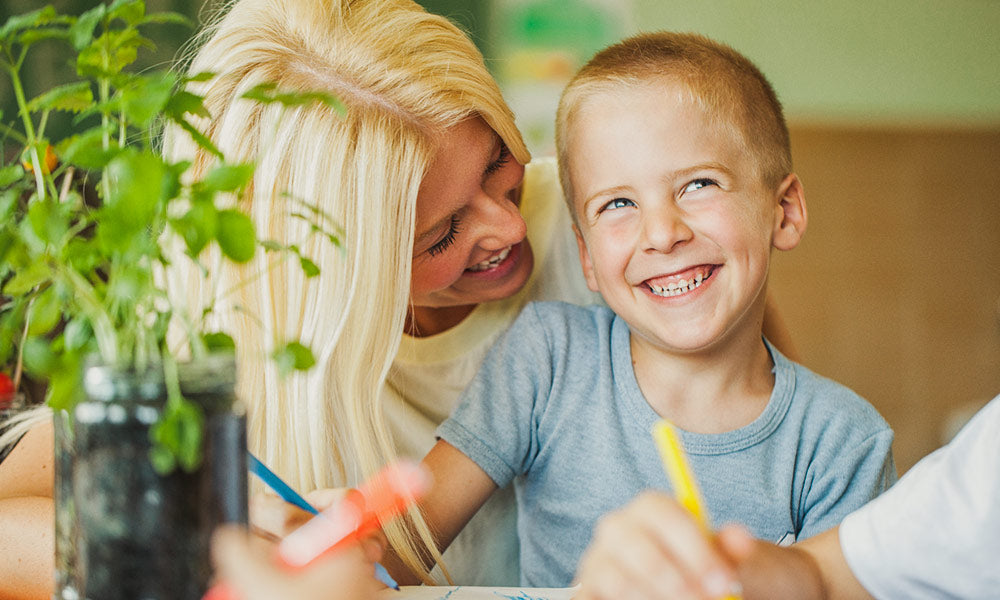
Elementary students learn to differentiate feelings and actions, understand and practice respect between peers, and celebrate diversity. Students learn to manage bullying situations and choose peaceful ways to resolve conflict and manage stress and frustration.
At the elementary school level, additional skills and developmental topics build on the core self-efficacy and interpersonal skills set to broaden the student’s sense of hope for the future and confidence as well as promote social awareness and empathy skills. Problem solving skills and sorting skills are introduced to prepare young children to resolve disagreements and to compromise and find pro-social solutions to bullying situations. Additional concepts covered in the curriculum are tailored to the intellectual, cognitive, and social development of the student.
These additional concepts include:
| Being a Peacemaker Creating a Peaceable Environment Problem Solving Celebrating Differences Anger Management Respect for Self and Others Conflict Resolution Identifying and Managing Bullying Situations | Grades K-2 Grades K-2 Grades K-5 Grades 1-5 Grades 1-5 Grades 2-5 Grades 2-5 Grades 2-5 |
For a complete Scope and Sequence and to view content samples, kit components, and an program overview select a grade level above.
At the middle school level, A Peaceable Place helps students navigate increasingly complex peer relationships, emotional challenges, and social pressures by strengthening communication, conflict resolution, emotional regulation, and responsible decision-making skills. These supports reinforce positive school climate, student connectedness, and safe learning environments during a critical stage of adolescent development.
A Peaceable Place develops and applies social and emotional learning skills for conflict resolution, bullying prevention, anger management, and respect for self and others. The students learn the negative consequences of aggressive behavior and practice healthy methods to manage stress and frustration.
Engaging, age-appropriate lessons use games, music, skits, and role-play to engage all students and give them multiple opportunities to practice these essential skills and apply them directly to their own lives.
Each grade level curriculum builds on the previous by continually developing skills and addressing common problems faced in middle school life teaching students how to manage situations in a positive and healthy way. Additional concepts in the program supplement and reinforce the self-efficacy and interpersonal skills concepts and are tailored to the intellectual, cognitive, and social development of the student.
These additional concepts include:
| Influence of Media Portrayals of Violence Influence of Peer Violence Teen Dating Violence Conflict Resolution Anger Management Respect for Self and Others Identifying and Managing Bullying Situations | Grade 6 Grade 7 Grade 8 Grades 6-8 Grades 6-8 Grades 6-8 Grades 6-8 |
For a complete Scope and Sequence and to view content samples, kit components, and an program overview select a grade level above.
A Peaceable Place in high school is a dynamic, experiential course designed to immerse students in the core social skill development they need to navigate the world they will enter after high school. A Peaceable Place supports students in developing the interpersonal, emotional, and decision-making skills needed to navigate relationships, manage conflict, and contribute to safe, respectful, and supportive school communities. Through age-appropriate prevention and school climate supports, students strengthen communication, self-management, accountability, and leadership competencies that support both academic engagement and long-term success.
Students learn essential Self-Awareness and Social Awareness skills to ready them to face the challenges they can foresee and the obstacles they can’t as they work to reaching their goals. As part of the broader skills set, the students learn and apply de-escalation strategies, healthy approaches to conflict, and problem solving tactics to build the instinct for self-awareness for stronger self-regulation in heated peer conflict situations.
These additional concepts include:
| Respect for Self and for Others Conflict Resolution Anger Management Healthy Teen Dating Social Media Awareness | High School High School High School High School High School |
For a complete Scope and Sequence and to view content samples, kit components, and an program overview select a program above.
"Not only do the participants utilize the concepts that are taught from the curriculum, but teachers begin to utilize the same concepts into their academic lessons. "
Upcoming Open Trainings

February 9-11, 2027
Tue-Thu
Curriculum Training
Atlanta, GA
Open Enrollment Trainings provide the knowledge and skills to implement with confidence and results. Sessions include Too Good for Drugs and Too Good for Violence for Elementary, Middle, and High School and Seeds of Nutrition Grade 6.
June 22-24, 2027
Tue -Thu
Curriculum Training
Chicago, IL
Open Enrollment Trainings provide the knowledge and skills to implement with confidence and results. Sessions include Too Good for Drugs and Too Good for Violence for Elementary, Middle, and High School and Seeds of Nutrition Grade 6.
August 3-5, 2027
Tue -Thu
Curriculum Training
Los Angeles, CA
Open Enrollment Trainings provide the knowledge and skills to implement with confidence and results. Sessions include Too Good for Drugs and Too Good for Violence for Elementary, Middle, and High School and Seeds of Nutrition Grade 6.
Related Posts
Too Good Today
-
Early Prevention Education Through Community Partnership
News •
The Mecklenburg County Alcoholic Beverage Control Board in Mecklenburg County, North Carolina supports prevention education through its Special Grant Initiative to leverage community resources from... -
What's News? September 2026
News •
Equipping Students. Strengthening Schools. Building Safer Communities In this issue, you'll find practical resources, valuable insights, and new opportunities to support your prevention efforts. ... -
Making Room for Prevention
Blog •
Schools, prevention providers, and funders share a commitment to helping young people thrive. These responsibilities should reinforce one another, but when expectations are established separately, they...


