
The Too Good Curriculum Kit includes everything you need to teach the lessons:
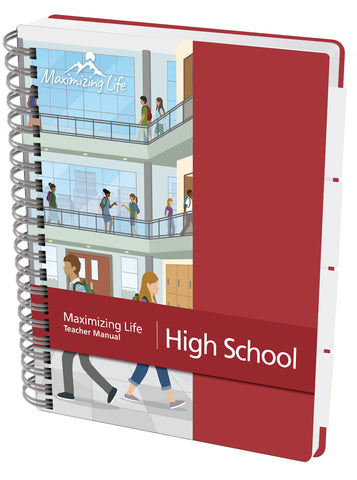
- Teacher Manual
- 30 Student Workbooks
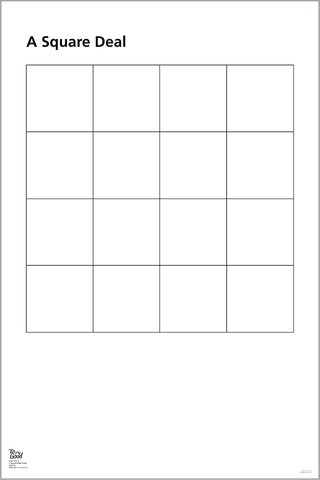
- A Square Deal Poster
- Alcohol Consequence Balls
- Healthy, Alcohol Impairment, and THC Impairment Brain Scan Cards
- Forensic Files Activity Set
- Elective Form: A Cautionary Tale Role Play Script
- Trial Run Activity Set
- Deciding Factor Activity Cards
- Roll Call Activity Cards
- Help Desk Activity Cards
- I’ll Pass Activity Cards
- Smoke Screen Activity Cards
- Fact Check Activity Set
- Level Up! Activity Cards
- Game Pieces w/ Die
Curriculum Features include:
- Ten 50-minute fully scripted, research-based lessons conveniently presented in a spiral-bound book, making them easy to use and enjoyable to teach.
- Web-based Lesson Resource Pack with Activity Visual Displays, Multimedia Presentations, Activity Instructions, Bring It Home Newsletters, and Evaluation Instruments in a downloadable for display or print format.
- Comprehensive planner for each lesson with clearly-stated, measurable objectives, topic rationale, and allotted activity times.
- Looking for More? Additional learning tools are included with each lesson to enhance and extend the concepts developed in the lesson. Additional activities include writing activities and activities that encourage the students to share what they've learned with classmates, family members, and their community.
- Each lesson includes a parent component, "Bring it Home Newsletter for Parents and Teens," to extend prevention skills and messages into the home.
- Comprehensive Pre- Delivery Training component covering Character Education and Normative Education concepts as well as guidance for facilitating discussions about various substance use, conflict, and peer influence topics.
- TGFD - Maximizing Life logic model including the program’s theory of change and the proven strategies incorporated into the lessons.
- Strategies for building family and school connectedness are built in to reinforce student social and emotional development in and out of school.
- A comprehensive set of instruments for measuring implementation effectiveness, fidelity of implementation, student knowledge, and behavior is included. Student response instruments can be used in a pre/post testing protocol.

Lessons Overview

RTI / PBIS Alignment

Lessons Sample
Comprehensive Prevention Education
Maximizing Life is a substance use prevention education program that promotes the development of the skills, attitudes, and behaviors consistent with positive, pro-social living to encourage healthy emotions management and actions, resistance to peer pressure and influence, and self-awareness and social awareness to foster a drug free lifestyle.
Maximizing Life offers developmentally appropriate curricula for Kindergarten through High School. Each grade level builds on previous levels developing the skills sequentially with engaging, age-appropriate lessons and activities.
Mitigates risk factors and builds protective factors
Too Good focuses on the risk factors and negative social norms that can be positively affected in the classroom: favorable attitudes toward substance use, violence, and other problem behaviors and friends who engage in problem behavior.
Too Good builds protection within the student by:
- Providing opportunities for pro-social involvement
- Establishing positive norms including healthy beliefs and clear standards
- Promoting bonding to pro-social peers
- Increasing self-efficacy and interpersonal skills
Strengths-Based Skills Development
Maximizing Life introduces and develops self-efficacy and interpersonal skills linked with healthy development and academic success to promote self-awareness and social awareness:
- Setting Reachable Goals
- Making Responsible Decisions
- Identifying and Managing Emotions
- Communicating Effectively
- Bonding with Prosocial Peers
Additional skills and developmental topics build on the core social skill set to broaden the student’s sense of self-efficacy and confidence and are tailored to the intellectual, cognitive, and social development of the student.
- Media Literacy and Media Influence
- Resisting Peer Pressure
- Understanding Peer Influence
- Understanding Addiction
- Complex Social and Dating Relationships
- Exploring Risk Taking and Differentiating Healthy and Unhealthy Risks
Substance use and its effects on the body are introduced when developmentally appropriate. More complex discussions are introduced at the Middle School level and progress in depth as the students mature.
- Safe Use of Prescription and OTC drugs
- Effects of Nicotine Use including Smoking, Vaping, and other smoked and smokeless tobacco products
- Effects of Alcohol Use
- Effects of Marijuana and THC Use
- Effects of Street Drugs including Opioids and Stimulants
Develops Core Character Traits
Maximizing Life promotes character development by strengthening nine character traits:
- Caring
- Cooperation
- Courage
- Fairness
- Honesty
- Respect
- Responsibility
- Self-discipline
- Integrity
Understanding the Logic Model
The Mendez Foundation developed Logic Models for Too Good to map out the Theory of Change and demonstrate graphically the assumptions that drive the learning and behavior change in Too Good. The logic model communicates an "if-then" message of what changes the program intends to produce. It helps to make the connections among the target group, goals, strategies, objectives and planned program results and lays out what the program is expected to achieve and how it is expected to work.
Research Design
The Too Good programs have undergone rigorous, independent evaluation studies to measure their effects on students' skills, attitudes, intentions, and behaviors. Studies have been published in peer-reviewed journals and presented at national evaluation conferences. These studies demonstrate the effectiveness of Too Good.
Each of the evaluation studies were conducted by third-party researchers and used randomized treatment-control group designs (pre-test/post-test, 20-week post-test, or one-year follow-up). The researchers examined pre-test equivalence between treatment and control groups; potential bias of loss of student data over time; quality of program implementation; and estimates of reliability and validity of assessment tools.
Too Good for Drugs / Maximizing Life Research Reports
Click the button links below to download and view the research reports. A summary of the report findings and the full reports are below in pdf format:
| Organization/Agency | TGFD K-8 | TGFV K-8 | TGFD&V High School |
|---|---|---|---|
| What Works Clearinghouse: U.S. Department of Education, Institute of Education Science | Positive effects on behavior View Report | Positive effect on behavior & knowledge, attitudes & values View Report | Positive effect on behavior & knowledge, attitudes & values View Report |
| CASEL: Collaborative for Academic, Social, and Emotional Learning | Not Yet Rated | Elementary SELect Program View Report | Not Yet Rated |
| NREPP: National Registry of Evidence-Based Programs & Practices | Reviewed evaluation View Report | Reviewed evaluation View Report | Reviewed evaluation View Report |
| CEBC: California Evidence Based Clearinghouse for Child Welfare | TGFD Grade 6 Scientific Rating 2 - Supported by Evidence View Report | Not Yet Rated | Not Yet Rated |
| OJJDP: Office of Juvenile Justice & Delinquency Prevention | Promising program View Report | Exemplary program View Report | Exemplary program View Report |
| Promising Practices Network: Programs that Work | Screened program View Report | Screened program View Report | Screened program View Report |
| SAMHSA: Substance Abuse & Mental Health Services Administration | Model program | Model program | Model program |
Awards
Too Good programs have earned recognition and acclaim for their impact in promoting safer and healthy youth and communities.
- Florida Alcohol and Drug Abuse Association's (FADAA) Best Practices Award
- The American Medical Association's National Congress on Adolescent Health
- The President's Child Safety Partnership
- Southeast Regional Center for Drug-Free Schools and Communities Shining Star Award
- Our programs received a high rating in "Drug Strategies"
Other Recognition
Recognition for Too Good for Drugs™ in Drug Strategies "Making the Grade": "Some very strong elements in this very detailed, 10 session per year curriculum. Provides developmentally appropriate information about alcohol, tobacco and marijuana. Normative education activities creative and compelling, new ideas for games. Includes no-use pledge."
Recognition for Too Good for Violence in Drug Strategies "Safe Schools, Safe Students": "A delightful package of materials (that) complements this highly interactive 4-9 session program. Strongly focused on critical skill areas. Extremely detailed instructions for teachers. Very complete."
Replenish Your Kit ( 22 )
TGFD - Maximizing Life High School Teacher Manual
$195.95
The Teacher Manual layout and design makes implementation easy with quick set-up and guided materials preparation and lesson objectives and activity timing. The layout...
HS3705 - TGFD Maximizing Life High Student School Workbook English - Pack of 30
$54.95
The Maximizing Life High School Student Workbook is an integral part of the lessons. Cooperative learning designs promote bonding through...
HS3710 - TGFD Maximizing Life High School Student Workbook - Spanish - Pack of 5
$14.95
The Student Workbook is an integral part of the lessons. Cooperative learning designs promote bonding through skits, role-plays, and games....
A Square Deal Poster
$5.95
When you slow down, observe carefully, and think critically, you can discover more possibilities than you first thought. As they...
Elective Form: A Cautionary Tale Role Play Script Set
$7.95
Elective Form: A Cautionary Tale role play set includes scripts for each player including the Narrator, Jayden, Guidance Counselor, Kai, and...

Alcohol Consequence Ball
$1.95
Alcohol Consequences balls are used in a student volunteer exercise to demonstrate how the consequences of underage alcohol consumption interfere...
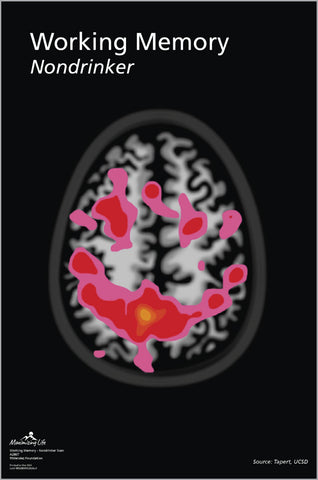
Working Memory Scan - Nondrinker
$7.95
A functional MRI (fMRI) scan of the brain of a teenager completing a working memory test. Item# A2807
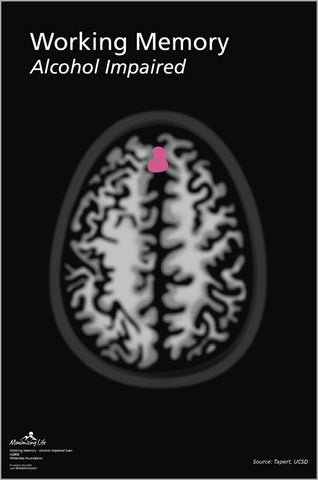
Working Memory Scan - Alcohol Impaired
$7.95
A functional MRI (FMRI) scan of the brain of a teenager under the influence of alcohol completing a working memory...
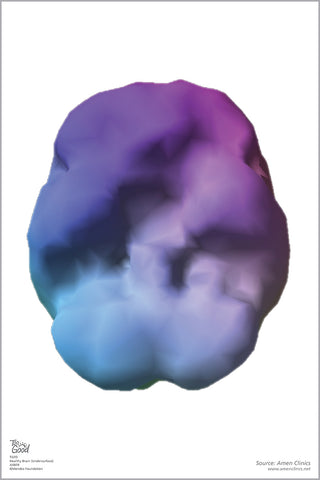
Scan of Healthy Brain (Underside)
$7.95
SPECT Scan of the underside of an active, healthy brain. Item #A4849
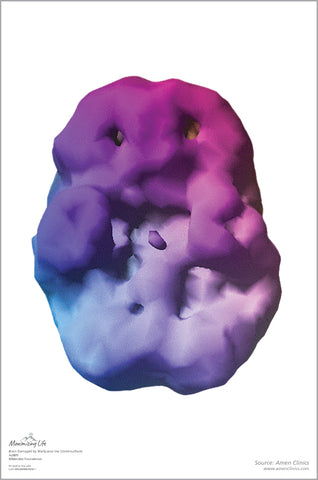
Scan of Brain Damaged by Marijuana Use (Underside)
$7.95
SPECT Scan of the underside of a teenage brain damaged by marijuana (THC) use. Item# A2809
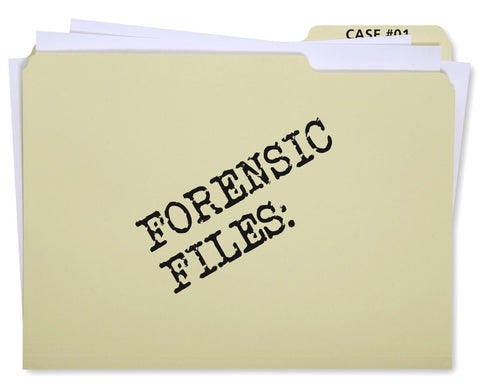
Forensic Files Activity Set
$24.95
The Forensic Files include all of the evidence necessary for a thorough investigation including eight sets each of the following...
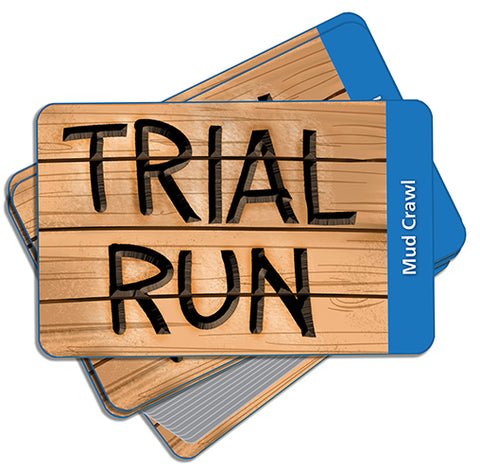
Trial Run Activity Cards
$12.95
Players make their way along the Trial Run course as they overcome obstacles to reaching their goals. Positive thinking strategies and a...
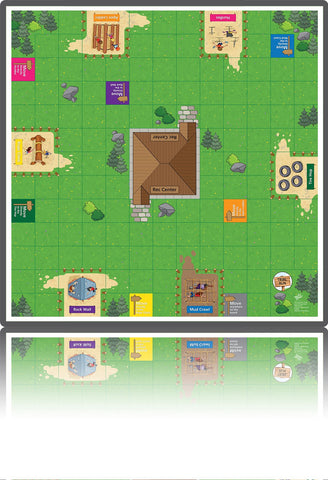
Trial Run Game Board
$5.95
Players make their way along the Trial Run course as they overcome obstacles to reaching their goals. Positive thinking strategies...
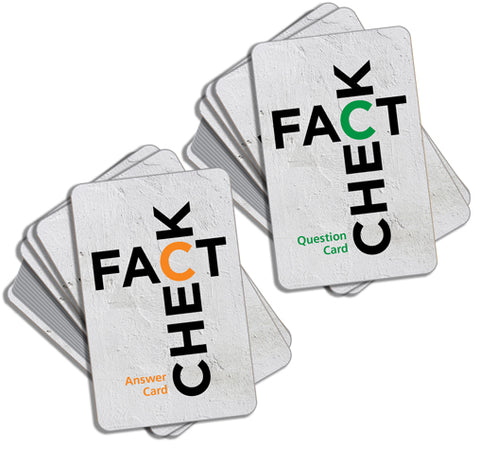
Fact Check Activity Cards
$12.95
Students differentiate fact from fiction as they test their knowledge of the effects of THC and marijuana use in this...
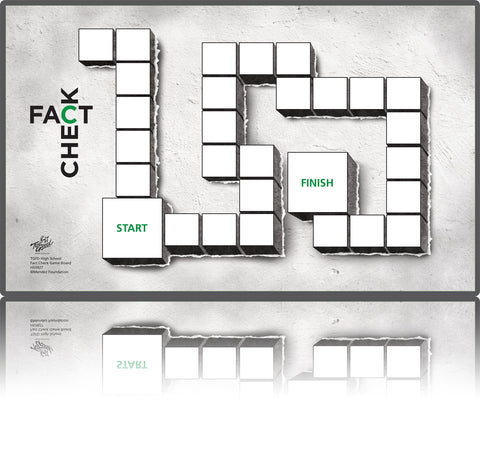
Fact Check Game Board
$5.95
Fact Check challenges high school students' perceptions of THC and marijuana to see if they align with scientific fact. Students...
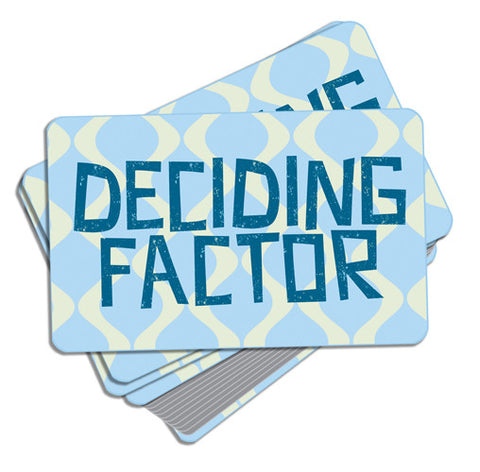
Deciding Factor Activity Cards
$9.95
Should you go to your parents' college or find the one that fits you best? Would watching television really be...
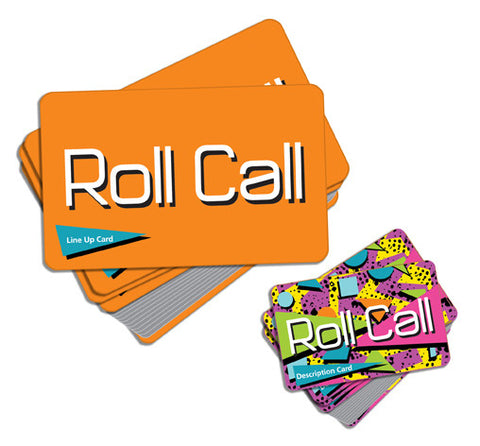
Roll Call Activity Cards
$12.95
In Roll Call, the students divide into pairs to practice and apply their effective communication skills. The Speakers describe the...
Help Desk Activity Cards
$12.95
I finally got the courage to talk to my crush, but I was so nervous the words came out like...
I'll Pass Activity Cards
$7.95
Are the effects physical or financial? Neurological or social? These are just a few of the areas that can be...
Smoke Screen Activity Cards
$12.95
Smoke Screen is an engaging activity that tests student knowledge about nicotine products and their health risks. Categories include Effects...
Level Up! Activity Cards
$12.95
In this capstone activity, students are prompted to verbalize, perform, or draw their answers to challenging questions that review and...

Game Pieces with Die
$1.25
Set of six game pieces in six bright colors and one die for use with various in class activities and...